
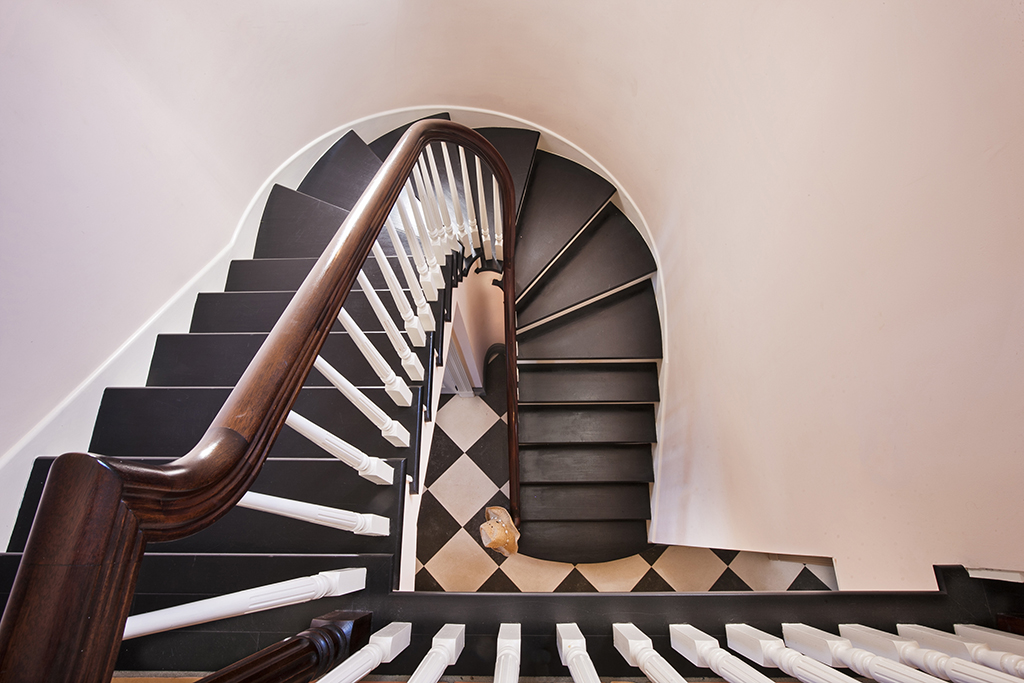
The statement: "…WE DESIGN ..." is frequently the answer to the question of "WHAT DO ARCHITECTS DO...?"
“DESIGN” is the process of creating and shaping the form, relationship of functions and features of an object, building, civic space, or spaces within a building. It is intended to achieve a functional solution to a specific set of needs and to stimulate an appropriate emotional response from the user or viewer while doing so. By its very nature, Design is a multilayered and complicated process. It considers occupancy, budget, program, functionality, adjacency, geometry, texture, scale, balance, color and light.
Influenced by climate, topography, context, laws, traditions, history and culture; Design is almost always the product of fusing an evolving idea with creative persistence. Guided by the architect, the design progression nurtures the strengths and promising portions of positive ideas ─ while whittling away at the flaws of unworkable alternatives. Even the most basic design procedure and the exploration of alternatives generated, usually results in an enhanced understanding of a proposed project. That is always beneficial.
In today’s economic climate however, with building costs escalating, budgets shrinking, new technologies evolving and market demands, as well as litigation, mounting; design as a service ─ as well a commodity ─ must achieve even more extraordinary results. These exceptional requirements call for the application of enhanced design skills and the creation of increasingly responsive, cost effective, sustainable and thoughtful solutions. Good design must dig deeper, successfully attain more complicated goals and must go much further than ever in the past. Today Design, in order to be effective can no longer simply be good. It must be exceptional, and extraordinary. It must be GREAT DESIGN in order to:
- Satisfy the functional requirements, spatial and programmatic needs of the project.
- Enhance facility user pride and reinforce the image of a brand.
- Should strengthen productivity, augment performance and help to satisfy customers, patrons, patients, students or clients.
- In so doing, it should assist in building better businesses and add significant value to the company or institution.
- Improve security and occupant safety.
- Create healthy living, learning and work places, resulting in healthier students, employees, residents and customers.
- Develop sustainability by conserving land, water, energy, transportation and natural resources.
- Protect the environment by reducing wastes, lowering life-cycle costs and ultimately improving the quality of living.
Extraordinary or Great Design requires a willingness to boost early investment in terms of design team and stakeholder collaboration, participation, resources and commitment. This is especially critical in the early conceptual stages of the design process as planning, coordination and infrastructure options must be more carefully considered and evaluated.
Notwithstanding this early increase in investment however, benefits usually greatly outweigh added costs. Total or life-cycle costs are usually far less than for basic design and are infinitely less costly than for no design options.
Especially at a time when resources of businesses, institutions and communities are thinly stretched, scarce and in short supply and budget planners are aggressively searching for ways to slash costs; thoughtful, future-thinking, planning decision-making based on Great Design is both cost-effective as well as indispensable. Pursuing Great Design today simply makes Great Sense!